Articles
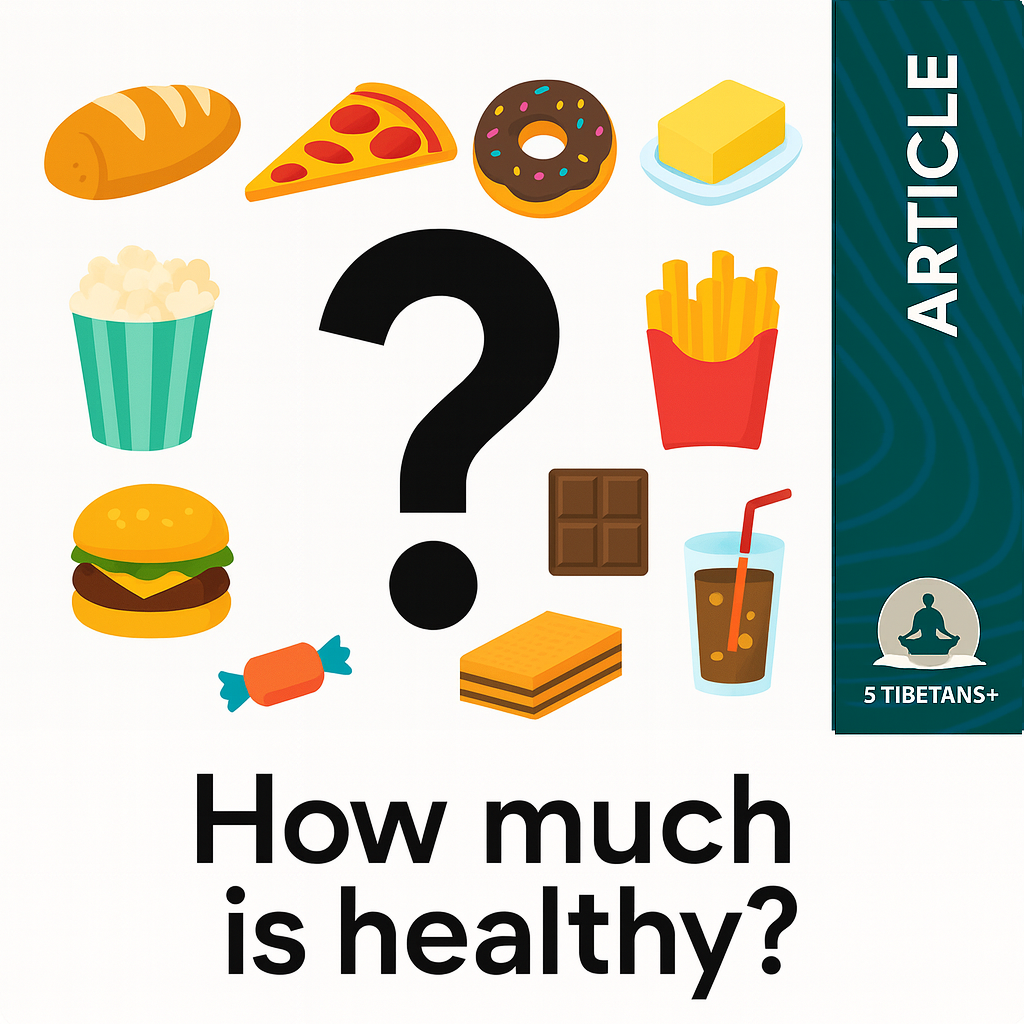
How much is healthy?
🧬 TRANS FATS – THE INVISIBLE SABOTEUR OF METABOLISM
What they do inside the body – and why removing them takes months
(Full English version – publication-ready)
1. Why trans fats are back in the spotlight
Modern research clearly shows: trans fats are among the most harmful components of industrially processed foods. They do not behave like normal dietary fats – they act like chemical disruptors that interfere with the molecular structure of cells.
Studies confirm that the negative effects of trans fats do not disappear within days, but often persist for 4 to 12 months. Every portion counts.
2. What exactly are trans fats?
Trans fats are unsaturated fatty acids whose natural “cis” chemical structure has been artificially converted into the unnatural “trans” configuration during industrial processing.
Major industrial sources (high risk)
- hard and semi-hard margarines
- partially hydrogenated vegetable oils
- deep-frying oils in fast food
- donuts, fried pastries, cheap bakery products
- ready-made mixes for cakes, waffles, pancakes
- “butter-flavored” microwave popcorn
- foods fried in repeatedly used industrial oils
Natural sources (minimal, generally harmless)
- butter
- cream
- meat from ruminants
3. Why are trans fats so dangerous? – Damage begins at the cellular level
Research from Harvard, WHO, EFSA and major laboratories shows that trans fats:
- integrate into cell membranes
- alter membrane fluidity, elasticity and receptor function
- increase inflammatory markers (e.g. TNF-α, IL-6)
- worsen insulin sensitivity
- promote atherosclerosis even at < 2 g per day
- impair mitochondrial function
- inhibit autophagy, the body’s cellular cleansing process
Trans fats become part of the cell membrane and can remain there for months – this makes them particularly dangerous for long-term metabolic health.
4. How long do trans fats stay in the body?
Their biological half-life is exceptionally long:
| Location in the body | Typical retention time |
|---|---|
| Blood plasma | 2–4 weeks |
| Fat tissue | 4–12 months |
| Cell membranes of muscle & nerve cells | 12–18 months |
➡ The body removes trans fats almost as slowly as it renews its own cells.
5. How to accelerate the removal of trans fats – effective strategies
1️⃣ Complete elimination for at least 4 months
Even tiny doses from fast food or margarine significantly prolong the recovery process.
2️⃣ Polyphenol-rich nutrition
Particularly helpful sources include:
- extra virgin olive oil
- green tea
- turmeric + black pepper
- berries
- dark cocoa
Polyphenols stabilize cell membranes and support the replacement of damaged lipids.
3️⃣ Healthy unsaturated fats
- omega-3 fatty acids (EPA, DHA, ALA)
- avocado
- walnuts
- olive oil
These fats directly compete with trans fats and displace them from cell membranes.
4️⃣ Regular aerobic training
3–5× per week, 40–60 minutes (walking, jogging, cycling, swimming) increases mitochondrial biogenesis and accelerates lipid turnover.
5️⃣ Fasting-Mimicking Diet (FMD – 5 days)
Scientifically shown to:
- activate autophagy
- lower IGF-1
- boost the removal of defective lipids
- reset key metabolic pathways
6️⃣ Heat and cold exposure
- sauna 2–3× per week
- short cold showers
➝ activates heat shock proteins (HSP), supporting repair and membrane regeneration.
6. Regeneration plan after exposure to trans fats – 3 phases
Phase I – Elimination (0–30 days)
- 0 g trans fats
- plant-based anti-inflammatory diet
- high water intake
- no industrial snacks
Phase II – Regeneration (30–120 days)
- one 5-day FMD per month
- daily polyphenols
- aerobic training 3–5× per week
Phase III – Stabilization (120–180 days)
- Mediterranean diet
- low inflammatory markers
- stable blood sugar
- avoidance of industrial, ultra-processed foods
🧨 7. How much trans fat is in common foods? – Clear numbers per 100 g
These averages come from EFSA / WHO / USDA data.
- 🍞 Toast bread / soft wheat rolls:
0.5–1 g trans fat per 100 g - 🍕 Pizza (fast food or frozen):
1.5–3 g per 100 g – one large pizza (~350 g) = 4–9 g trans fat - 🍪 Industrial cookies / cheap baked goods:
2–5 g per 100 g – 3–4 cookies = 1–1.5 g - 🍩 Donuts / fried pastries:
4–6 g per 100 g – one donut = 3–5 g - 🍬 Sweets & chocolate bars:
1–3 g per 100 g – 50 g portion = 0.5–1.5 g - 🍫 Chocolate (cheap or filled varieties):
0.5–2 g per 100 g – high-quality dark chocolate (≥70 %) ≈ 0 g - 🍬 Candies (filled, creamy):
0.2–1 g per 100 g - 🍟 French fries (fast food):
3–5 g per 100 g – large portion = 4.5–7.5 g - 🧁 Cake mixes / waffle mixes / pancake mixes:
1–4 g per 100 g - 🍿 Butter-flavored microwave popcorn:
2–3 g per 100 g – one bag = 2–3 g - 🥤 Sugary drinks (cola, iced tea, energy drinks, sweetened cocoa):
0 g trans fat – but an extremely dangerous combination when consumed with trans-fat-rich foods.
Why?
Sugar causes strong insulin spikes, insulin accelerates the absorption and storage of trans fats –
the combination greatly increases inflammation.
🚨 Key takeaway for every consumer
One pizza, one donut or one large portion of fries contains enough trans fats for the body to deal with their molecular consequences for 4–8 months.
Conclusion
Trans fats are not “just another food ingredient”. They are a structural metabolic toxin embedded in cell membranes, disrupting mitochondrial function, inflammation pathways and cellular signaling.
Their removal is slow – but possible with consistent nutrition, smart lifestyle strategies and periodic fasting-mimicking protocols.
SEO keywords (internal)
- trans fats, hidden fats, trans fats health, trans fats foods
- trans fats dangers, trans fats risks, remove trans fats, trans fats list
- healthy nutrition, anti-inflammatory diet, Mediterranean diet
- improve metabolism, metabolic health, heart health, nutrition tips
- cell membranes, mitochondria, inflammation, insulin resistance, IGF-1, autophagy
- fasting mimicking diet, FMD, Valter Longo, fasting and autophagy
- pizza trans fats, donut trans fats, fries trans fats, cookies trans fats, chocolate trans fats
- sugary drinks insulin, processed foods risks
- 5T+, 5 Tibetans+, 5 Tibetans Plus